DIY Low-Exposure Application Guide

Professional techniques for safe, effective sealant application in your home

Professional application technique demonstration

Step-by-Step Application Process

Surface Preparation

Begin by thoroughly cleaning the application area. Remove all old sealant, debris, and contaminants. Ensure surfaces are completely dry and free from dust, grease, or moisture. Use a quality cleaner designed for your surface type.

Ventilation: Excellent

Masking and Protection

Apply painter's tape along both sides of the joint to create clean edges. Protect adjacent surfaces with drop cloths or plastic sheeting. This step ensures professional-looking results and prevents material waste.

Protection: High

Material Application

Cut the nozzle at a 45-degree angle to match your joint width. Load the cartridge into your applicator gun. Apply steady, even pressure while moving at a consistent speed. Maintain a continuous bead without gaps or overlaps.

Proper application technique
Ease: Moderate

Tooling and Smoothing

Immediately after application, use a wet finger, tool, or specialized smoothing tool to create a uniform finish. Work in one direction to avoid creating texture. Remove excess material as you work.

Technique: Important

Curing and Cleanup

Remove masking tape while the material is still wet to achieve sharp edges. Allow proper curing time according to manufacturer specifications. Maintain adequate ventilation during the initial curing period.

Time: 24-48 hours

Breathability Rating System

Excellent Ventilation

Open windows and doors, use fans to create cross-ventilation. Ideal for initial application and curing phases.

Good Ventilation

Partial airflow with windows open. Suitable for ongoing work in well-ventilated spaces.

Adequate Ventilation

Minimum airflow requirements. Use with caution and consider additional ventilation measures.

Safe Removal and Replacement

Removal Techniques

For old sealant removal, use a utility knife or specialized removal tool. Cut along both edges, then pull the material away. For stubborn material, apply a sealant remover according to manufacturer instructions. Always work in well-ventilated areas during removal.

Surface Restoration

After removal, thoroughly clean the area. Sand if necessary to remove residue. Ensure the surface is completely dry and prepared before applying new material. Check for any damage that needs repair before resealing.

Replacement Best Practices

When replacing old sealant, choose a compatible low-toxin formulation. Follow all preparation and application steps carefully. Allow proper curing time before exposing to moisture or stress.

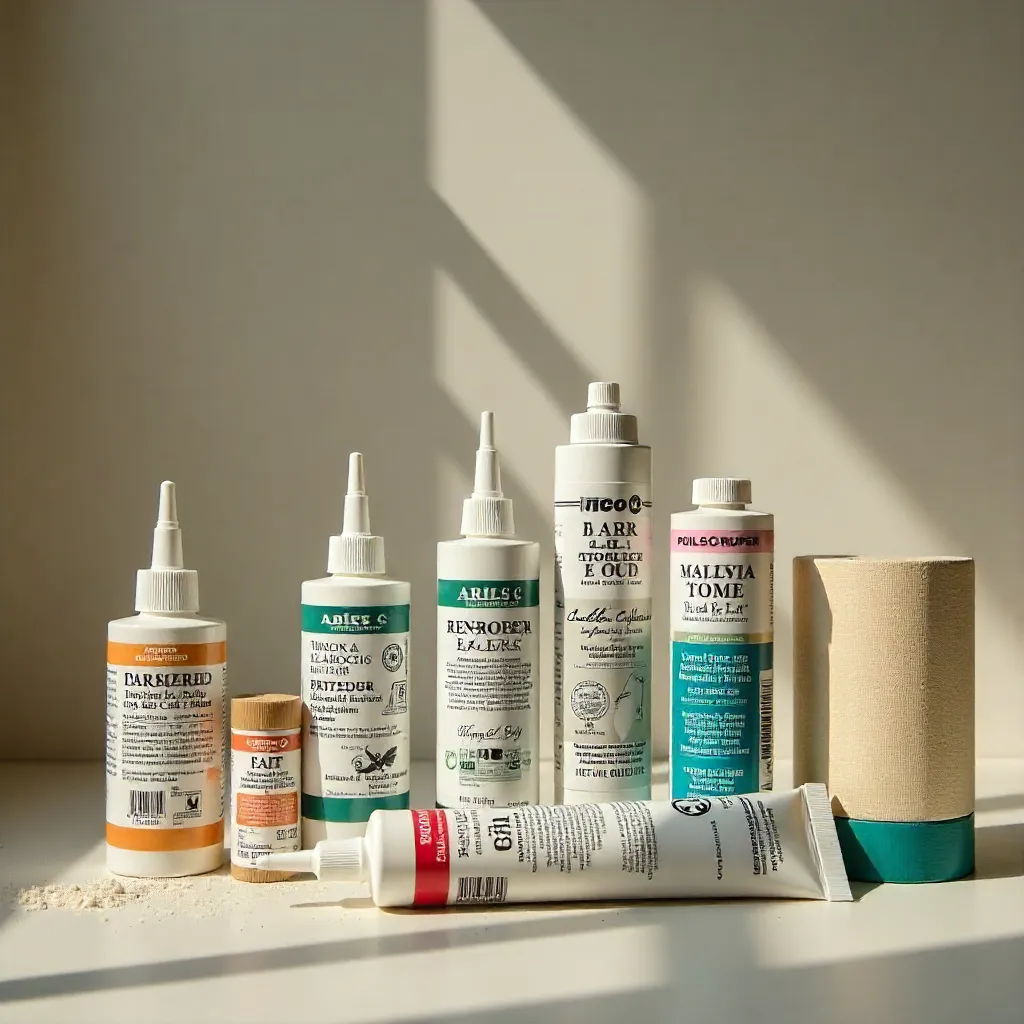
Eco-Friendly Tool Recommendations

Applicator Guns

Choose durable, reusable applicator guns made from recyclable materials. Look for smooth operation and easy cleaning capabilities. Quality tools reduce waste and improve application consistency.

Smoothing Tools

Reusable silicone or plastic smoothing tools provide consistent results. These tools can be cleaned and reused multiple times, reducing single-use waste. Some designs feature ergonomic handles for comfort.

Cleaning Supplies

Use biodegradable cleaners and reusable cloths. Water-based cleaning solutions are effective for most applications and have minimal environmental impact compared to solvent-based alternatives.

Privacy & Cookies

We use cookies to enhance your browsing experience and analyze site traffic. By continuing, you agree to our use of cookies.